How to Identify High-Value Machines with Low Hours and Original Specs
Release time: 2026-02-12
The Titans of the Industry: Why Choose Used Cat and Komatsu?
In the heavy machinery sector, brand loyalty is earned through decades of performance. Caterpillar (Cat) and Komatsu stand at the apex of this hierarchy. For contractors and dealers worldwide, these brands represent resilience, high resale value, and essentially, a global currency. A used Cat 320D or a Komatsu PC200-8 is liquid asset. However, the popularity of these models also means the market is flooded with units of varying quality. Identifying a high-value, low-hour machine requires a professional eye and a deep understanding of mechanical nuances.
Caterpillar: Analyzing the “King of Construction”
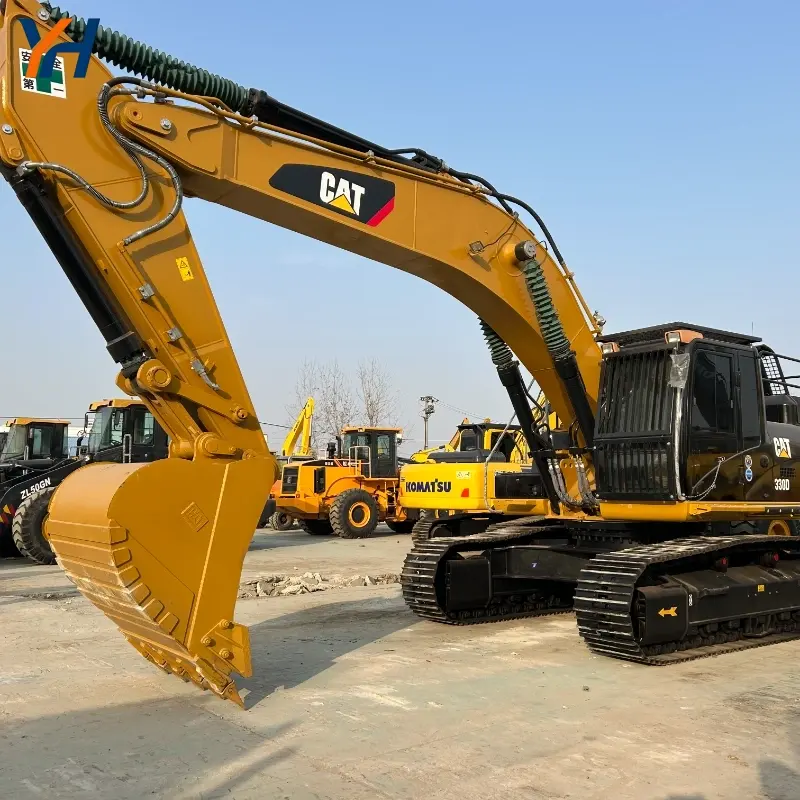
When evaluating a used Cat excavator, such as the ubiquitous 320D or 336 series, the focus is often on durability under extreme conditions.
- The Engine Factor: Cat engines (like the C6.4 or C9) are renowned for their torque. At Yiheng, we inspect the turbocharger for any oil leaks or shaft play. A healthy Cat engine should respond instantly to throttle changes without hesitation.
- ACERT Technology: For models equipped with ACERT technology, we verify the electronic control modules (ECM) are functioning correctly, ensuring fuel delivery matches the workload.
- Structural Robustness: Cat machines are often used in mining and heavy quarry work. We pay special attention to the bucket linkage and the stick. We look for “slop” or play in the pins and bushings. A tight front linkage indicates that the machine has been greased regularly and well-maintained by its previous owner.
Komatsu: The Master of Hydraulics
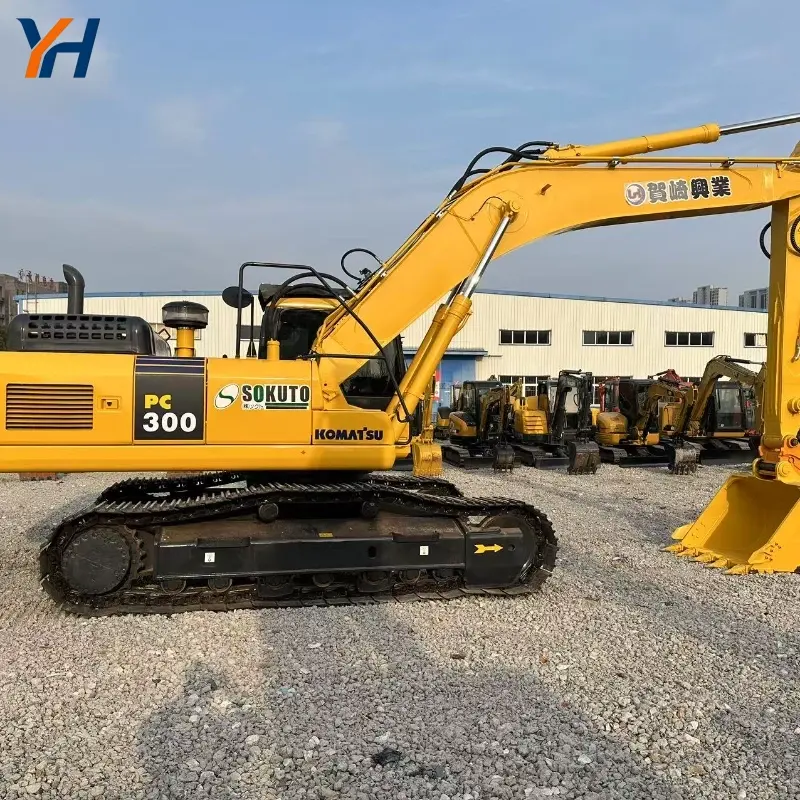
Komatsu is celebrated for its hydraulic efficiency and the smooth operation of its CLSS (Closed Center Load Sensing System).
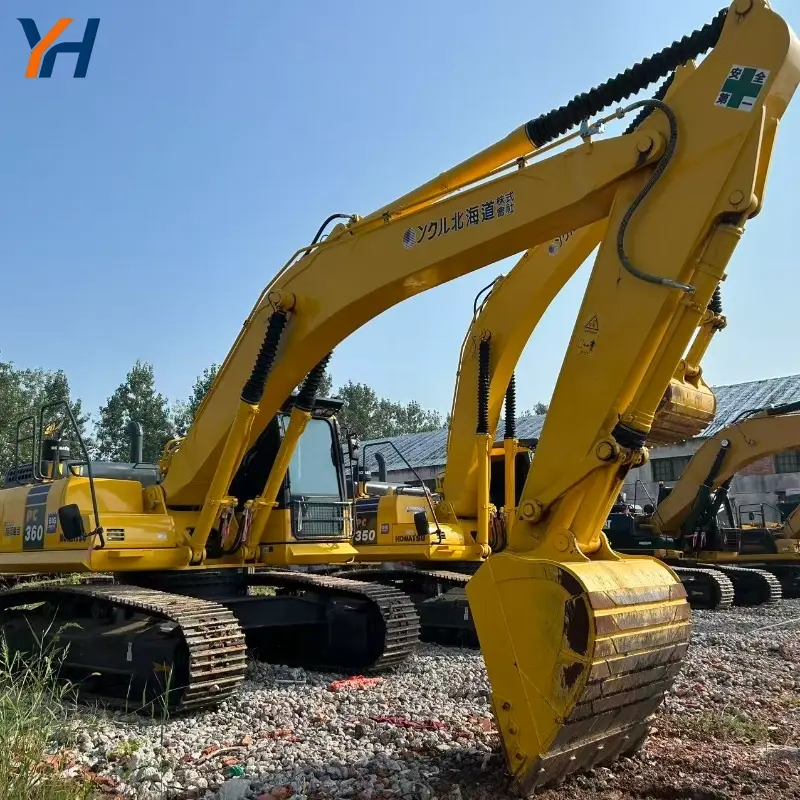
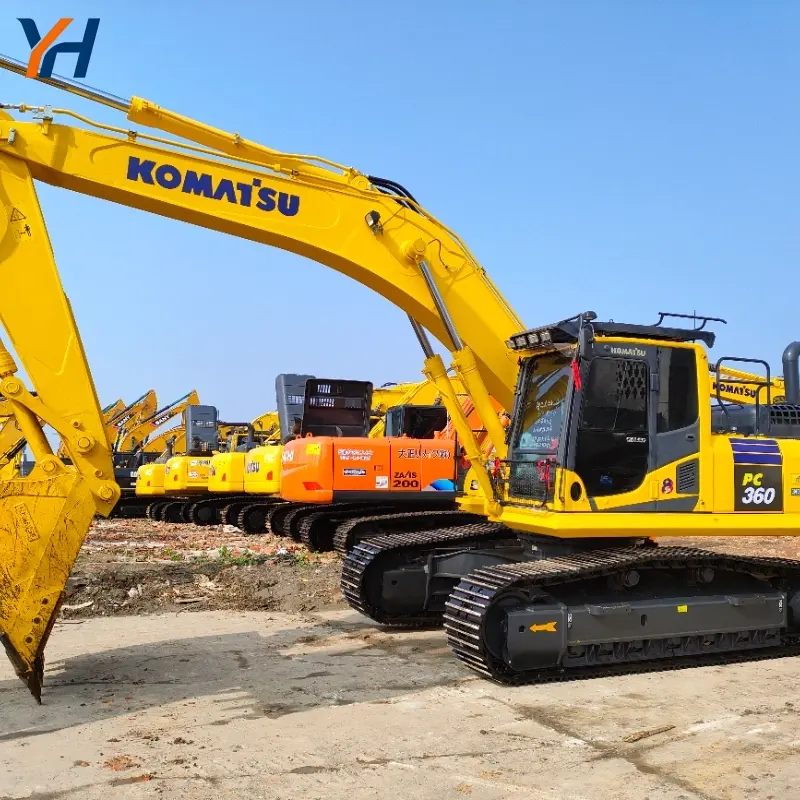
- Hydraulic Pump Performance: On a used Komatsu (e.g., PC200, PC360), the critical test is the coordination between the pump and the engine. We test the machine specifically for “speed drop.” If the hydraulics bog down the engine significantly under load, it indicates a mismatch or wear in the variable displacement pump.
- Electronics and Monitor: Komatsu’s monitor panel provides a wealth of diagnostic data. We access the service menu to check for historical error codes. This digital history reveals if the machine has suffered from overheating or sensor failures in the past, providing a transparent view of its life cycle.
Verifying “Low Hours”: The Truth Behind the Meter
One of the biggest concerns for global buyers is the authenticity of the hour meter. At Yiheng, we look beyond the digital display. We cross-reference the hours with physical wear indicators:
- Pedal and Lever Wear: The travel pedals and joystick grips should show wear consistent with the claimed hours.
- Bucket and Linkage: Excessive play in the bucket pins on a “2,000-hour” machine is a red flag.
- Undercarriage: The wear rate of the sprockets and track shoes tells the true story of how far the machine has traveled. By triangulating these data points, we ensure that the machines we stock—and the machines you buy—are honest units with plenty of life left in them.
The Yiheng Sourcing Network
Our advantage lies in our ability to source directly from reputable project sites and leasing companies across China. We prioritize machines that have been used in “soft” applications like earthmoving or landscaping, rather than abusive environments like rock breaking. This selection criterion ensures that the hydraulic breakers haven’t hammered the structural integrity of the arm and boom.
Conclusion
Whether you are a steadfast fan of Caterpillar’s raw power or Komatsu’s precision, buying used does not mean compromising on performance. With Yiheng’s expert inspection and transparent sourcing, you get the legendary reliability of these top brands, optimized for your budget and ready to tackle your toughest job sites.