How to Choose a Used Komatsu PC450 Excavator for Mining and Heavy Construction?
Release time: 2026-09-21
Table of Contents
Choosing the right excavator for a large construction project is not simply about finding the biggest machine within your budget. The working environment, excavation volume, ground conditions, transport requirements, and expected operating hours all affect whether a machine is a practical choice. For demanding jobs such as quarrying, mining, road construction, and large-scale earthmoving, a 45-ton excavator can offer the digging force and operating capacity that smaller machines may struggle to provide. The Used Komatsu PC450 Excavator is one option worth considering when a project requires heavy-duty performance without necessarily buying a new machine. However, the condition of a used machine matters just as much as its model name. Before making a purchase, buyers should look beyond age and price and evaluate the machine’s operating history, major components, undercarriage condition, and suitability for the intended job.
Why the Komatsu PC450 Fits Heavy-Duty Construction
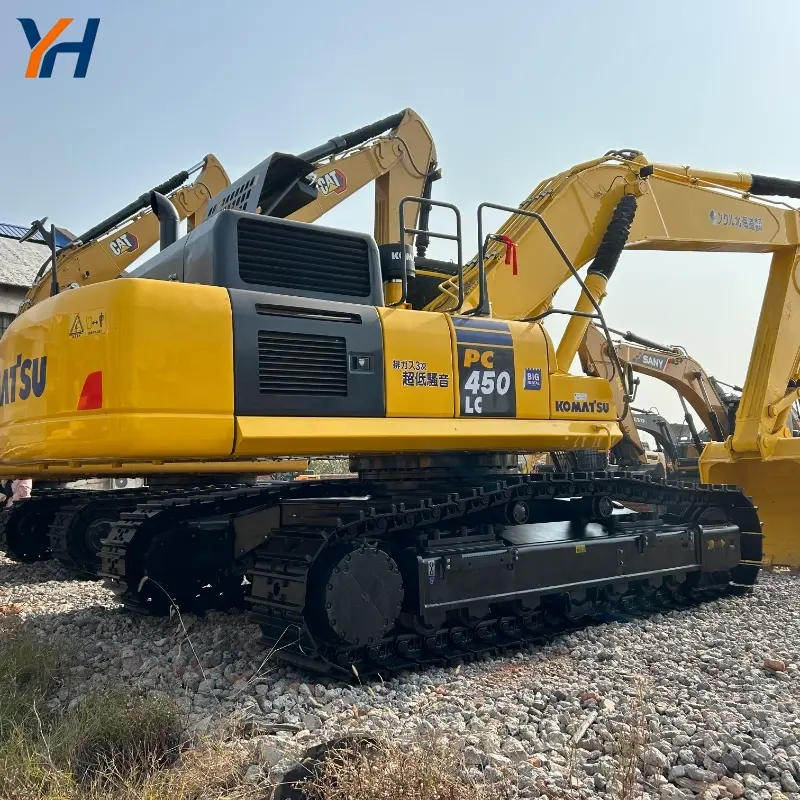
The Komatsu PC450 belongs to the large excavator class and is designed for projects where excavation volume and working intensity are considerably higher than those of compact or mid-size machines. Its size makes it suitable for demanding earthmoving operations, quarry work, large infrastructure projects, and other applications where operators need consistent digging and loading performance. A machine in this class can also reduce the number of excavation cycles required when handling large quantities of soil or rock, which can be important when project schedules are tight.
That does not mean a larger excavator is automatically the right choice. A PC450 requires sufficient working space, suitable transportation arrangements, and a job volume that justifies its operating cost. If the project involves narrow streets, small foundations, or limited daily excavation, a smaller machine may be easier to operate and transport. The real question is whether the machine’s capacity matches the workload. For large-scale projects, however, the productivity potential of a 45-ton excavator can make a significant difference over long operating periods.
Mining and Quarry Applications
Mining and quarrying are natural applications for a heavy-duty excavator because these environments often involve hard ground, large material volumes, and long working cycles. A suitable machine needs more than a strong appearance. The hydraulic system, engine response, working equipment, and undercarriage all need to perform reliably under demanding conditions. When loading material or preparing areas for further excavation, consistent hydraulic movement and sufficient digging force can help maintain productivity throughout the working day.
For buyers considering a Used Komatsu PC450 for mining or quarry work, the previous operating environment deserves particular attention. A machine that has spent years working in harsh rock conditions may show considerably more wear than another machine of the same age used for lighter earthmoving. Check the condition of the bucket, boom, arm, pins, hydraulic components, and track system rather than relying only on the listed operating hours. Asking for operating videos and maintenance information can also provide a clearer picture of how the excavator has actually been used.
What to Check on a Used PC450
When evaluating a used PC450, start with the major systems that directly affect working performance. The engine should start smoothly and maintain stable operation without unusual noise, excessive smoke, or obvious power loss. The hydraulic system deserves equal attention because slow, inconsistent, or jerky movements can indicate problems that may become expensive to repair. Test the boom, arm, bucket, swing, and travel functions under working conditions whenever possible instead of judging the machine while it is stationary.
The undercarriage is another area that should not be overlooked on a large crawler excavator. Tracks, rollers, idlers, sprockets, and related components experience substantial wear, particularly when the machine has worked on rough or rocky ground. Excessive undercarriage wear can affect both operating performance and future maintenance costs. It is also useful to inspect the structure around the boom and arm for signs of cracks, repairs, or abnormal deformation. A proper inspection should connect these individual observations rather than treating each component separately.
Working Hours Are Only Part of the Story
Operating hours are useful when comparing used excavators, but they should never be treated as the only indicator of machine value. Two PC450 excavators with similar hours can have very different conditions depending on how they were operated and maintained. A machine used regularly for heavy quarry work may experience more stress than one used for lighter excavation, even if the hour meters show similar figures.
This is why working hours should be compared with the physical condition of the machine. Look at the wear on the pedals, controls, bucket, pins, tracks, and other frequently used components. Maintenance records can provide additional context, especially when they show regular servicing of the engine and hydraulic system. If the reported hours appear inconsistent with the overall wear pattern, ask the supplier for clarification. For buyers searching for a used 45 Ton Excavator, understanding this relationship can help prevent an attractive price or low hour figure from becoming the main reason for a purchase.
Match the Excavator to the Job Site
The best excavator is the one that fits the actual job rather than simply having the highest capacity. Before choosing a PC450, consider how much material needs to be moved each day, what type of ground will be excavated, how much working space is available, and whether the machine will operate continuously or only occasionally. Attachment requirements should also be considered if the project involves rock breaking, demolition, or other specialized work.
Transportation is another practical issue. A 45-ton-class machine requires more planning than a compact excavator, including suitable trailers, loading arrangements, access roads, and job-site space. These factors can affect the overall cost of ownership even when the purchase price looks attractive. For a large earthmoving or mining project, the additional capacity may justify these requirements. For smaller jobs, the same machine could be underutilized. Matching machine size to actual production needs is therefore one of the most important steps before buying.
PC450 or a Smaller Excavator?
The choice between a PC450 and a smaller excavator usually comes down to productivity, site conditions, and operating requirements rather than machine size alone. A large excavator can be useful when the project involves high excavation volumes, long working hours, heavy materials, or demanding ground conditions. Its capacity can reduce the number of cycles needed to complete large excavation and loading tasks.
Smaller machines, on the other hand, can be easier to transport and more practical when working in restricted areas. They may also make more sense when the daily workload is relatively low. Buyers should therefore consider the total operating picture instead of assuming that a larger machine will always reduce costs. For contractors handling large infrastructure, quarry, or mining projects, a PC450 may provide the production capacity required. For smaller construction sites, a more compact machine could provide better flexibility. The right choice depends on how the machine will actually be used.
Questions to Ask a Used Excavator Supplier
Before purchasing a used PC450, ask the supplier for specific information rather than relying on general descriptions such as “good condition.” Confirm the machine’s model, year, operating hours, previous application, and maintenance history. Ask whether the engine, hydraulic system, and undercarriage have been inspected and request recent operating videos when available. Photos of the machine at different angles can also help identify visible wear or previous repairs.
It is also worth discussing inspection and delivery arrangements before completing the transaction. Buyers may want to arrange a third-party inspection, especially when purchasing equipment remotely. A reliable supplier should be able to provide clear information about the machine and explain its current condition rather than focusing only on its specifications. Yiheng Excavator offers used construction equipment, including Komatsu excavators, and its PC450 product listing can be used as a reference when evaluating available machines and configurations.
FAQ
What type of work is a Used Komatsu PC450 suitable for?
It is generally suitable for large-scale earthmoving, mining, quarrying, infrastructure construction, and other heavy excavation projects.
What should I check before buying a used PC450?
Pay particular attention to the engine, hydraulic system, working equipment, undercarriage, operating hours, and maintenance history.
Is a PC450 suitable for small construction projects?
It depends on the workload and site conditions. A smaller excavator may be more practical when space, transportation, or daily excavation volume is limited.
Are operating hours enough to judge a used excavator?
No. Operating hours should be considered together with component wear, maintenance records, previous applications, and the machine’s overall working condition.