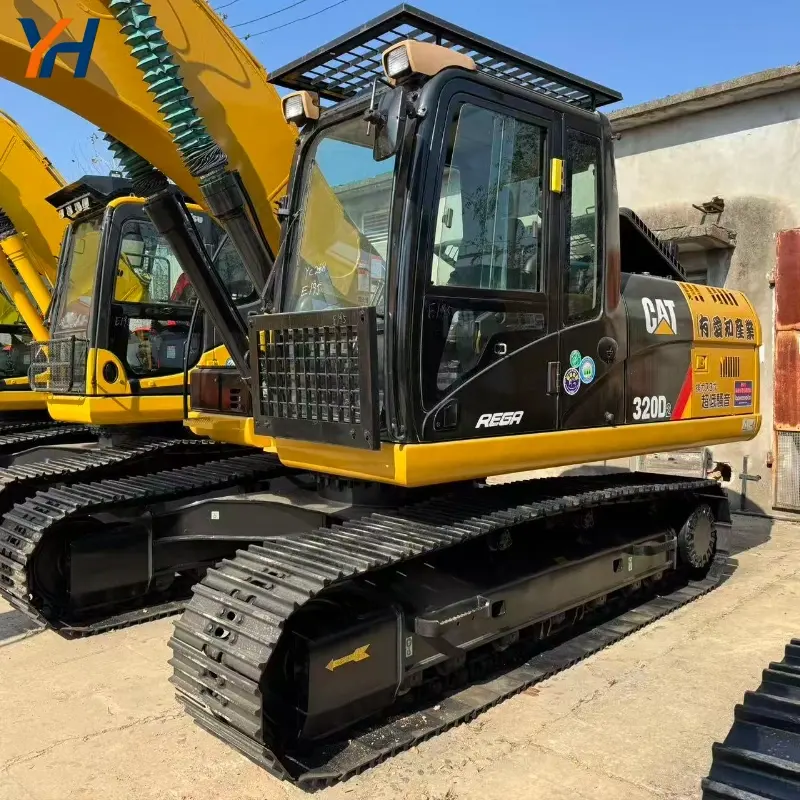
How to Choose a Used CAT 336 Excavator for Quarry and Aggregate Operations
Release time: 2026-10-16
Table of Contents
Choosing an excavator for quarry and aggregate work involves more than comparing machine prices or engine specifications. Daily tasks may include digging, handling loose material, loading dump trucks, and working through long production shifts. The right machine needs to match the material being handled, the site layout, and the expected workload. For buyers considering a used CAT 336 excavator, the key is to look at how the machine will perform within the entire operation rather than focusing on a single specification.
Used Caterpillar 336D and 336GC excavators are two options worth evaluating when planning heavy-duty earthmoving and material-handling work. However, their suitability depends on the configuration and condition of the individual machine, as well as the demands of the job. Before making a purchasing decision, buyers should consider the working environment, truck-loading requirements, maintenance needs, and availability of replacement parts. These factors provide a more practical basis for choosing equipment than model names or advertised prices alone.
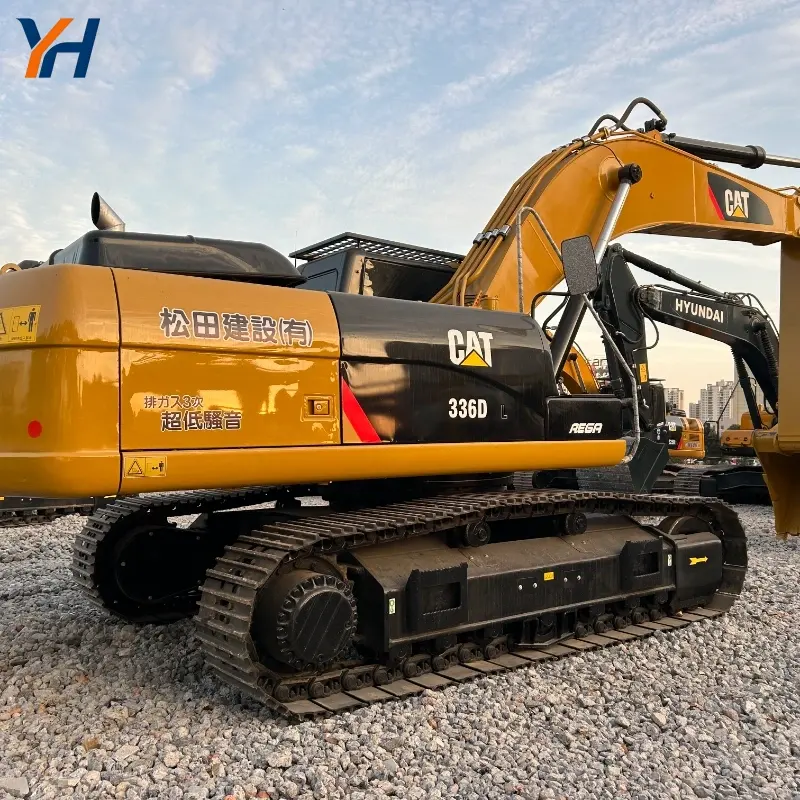
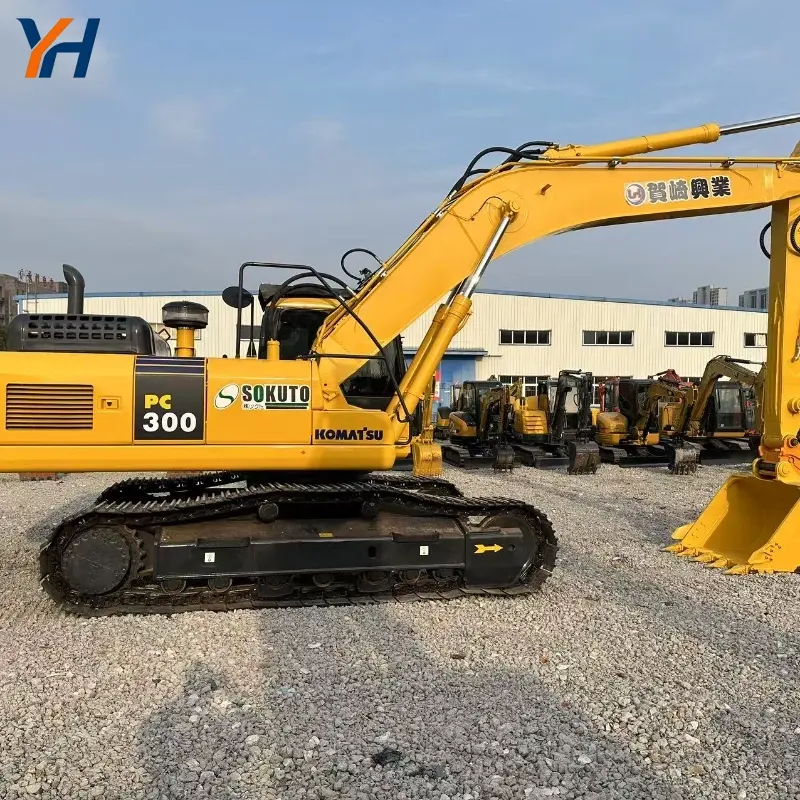
How Quarry Conditions Affect Excavator Selection
Quarry and aggregate operations vary significantly from one site to another. Some projects involve loading loose sand and gravel, while others require moving weathered rock or handling material after blasting. These conditions influence the type of bucket needed, the workload placed on the machine, and how the excavator is positioned during operation. A machine suitable for one site may not be the most efficient choice for another.
Buyers should also consider the available working space and the relationship between the excavation area and the loading zone. On a confined site, machine positioning and swing clearance can affect how smoothly material is transferred into trucks. Larger working areas may allow a different arrangement, particularly when several machines or transport vehicles operate simultaneously. The goal is to select equipment that fits the site’s physical conditions and daily production requirements.
Before choosing a machine, clarify the material type, average workload, working surface, and expected operating hours. These details help narrow down the required configuration and provide a clearer basis for comparing used excavators.
Used CAT 336D vs. Used CAT 336GC: What Should Buyers Compare?
When comparing a used CAT 336D with a used CAT 336GC, buyers should begin with the actual specifications of the machines available for sale. Model designations alone do not establish which excavator will be more productive or economical for a particular quarry. Equipment configuration, operating condition, installed attachments, and maintenance history can all influence its suitability.
A fair comparison should consider the engine and hydraulic systems, bucket size, attachment compatibility, visible wear, maintenance records, and expected operating workload. Buyers should request the equipment identification details and available service records before making a decision. It is also important to confirm whether the installed bucket and other attachments match the intended application. Rather than assuming one model is automatically better, compare both machines against the same project requirements.
The purchase price is another consideration, but it should not be evaluated in isolation. A machine that costs less upfront may require additional repairs or servicing before it can handle regular quarry work. Buyers should account for the condition of the individual unit, the cost of any necessary repairs, and the availability of replacement parts. This approach makes the comparison more useful for long-term planning.
Matching Excavator Capacity with Dump Truck Operations
Excavator selection affects more than digging performance. In many quarry operations, the machine must load dump trucks or other transport vehicles efficiently. If the excavator and truck are poorly matched, one may spend too much time waiting for the other, creating delays throughout the material-handling process.
Buyers should consider bucket capacity, material density, truck body capacity, loading position, and available working space together. Loose aggregate and heavier material do not behave identically, so bucket volume alone cannot determine the amount moved in each cycle. The number of loading cycles also depends on how the operator positions the machine and how consistently material can be collected and discharged.
For this reason, it is useful to evaluate the complete loading process before purchasing a machine. Consider how the excavator will approach the material, where trucks will stop, and whether the loading area allows safe and consistent movements. A well-matched setup can help reduce unnecessary waiting and make better use of the equipment already available on site.
What Matters During Long Shifts in Quarry Operations?
Quarry equipment may work under demanding conditions, with dust, vibration, abrasive material, and repeated loading cycles placing pressure on major components. A machine that appears suitable during a brief demonstration may still require closer evaluation before being assigned to regular production. Buyers should pay particular attention to the cooling system, hydraulic performance, engine behavior, undercarriage condition, and visible wear around the working equipment.
Maintenance planning is equally important. If an excavator is expected to operate for extended shifts, routine servicing and access to replacement parts can influence its availability over time. Before purchasing, ask about previous maintenance, known repairs, and any components that may need attention. Where possible, arrange an operating test and have a qualified technician assess the machine under appropriate conditions.
It is also worth considering the practical support available after delivery. Parts availability, service arrangements, and realistic maintenance intervals should be included in the ownership plan. A lower purchase price may not represent better value if the machine requires substantial repairs or causes frequent interruptions. The objective is to select equipment that fits both the workload and the buyer’s ability to maintain it.
How to Evaluate a Used CAT 336 for Aggregate Work
A targeted inspection helps buyers determine whether a used excavator is suitable for quarry operations. Start by checking the machine’s identification details and comparing its configuration with the seller’s description. Review available operating-hour records and maintenance documents, while remembering that no single record can establish the machine’s full condition. Documentation should be considered alongside a physical inspection and operating test.
During the inspection, examine the boom, arm, bucket, pins, joints, hydraulic lines, and visible structural areas for signs of damage, leakage, or unusual wear. Check the engine for abnormal noises or smoke and observe whether the hydraulic functions operate smoothly. The undercarriage also deserves attention because quarry surfaces and abrasive materials can accelerate wear. Any concerning findings should be assessed by a qualified technician before purchase.
For buyers comparing a used CAT 336D and a used CAT 336GC, applying the same inspection criteria to both machines makes the decision more objective. Record any repairs that may be needed and estimate their likely impact on the overall purchase budget. This helps distinguish a machine that simply looks attractive in a listing from one that is genuinely appropriate for the intended work.
Choosing the Right Excavator for Your Quarry
The best choice depends on how the excavator will be used, the condition of the available machine, and the operating resources at the site. Buyers should compare the expected workload, material type, truck-loading arrangement, maintenance requirements, and total ownership costs before committing to a purchase.
Yiheng offers used CAT 336D and CAT 336GC excavators for buyers considering equipment for heavy-duty applications. When evaluating either model, buyers should confirm the current availability, specifications, machine condition, included attachments, and shipping arrangements. Providing details about the quarry’s material, daily workload, and truck fleet can also help the supplier identify a suitable option.
A decision based on verified machine information and real operating needs is more reliable than choosing by model name or advertised price alone. By considering the full working environment and the costs of keeping the machine in service, buyers can make a more informed choice for their quarry or aggregate operation.
FAQ
Is a used CAT 336 excavator suitable for quarry work?
It can be suitable for certain quarry and aggregate applications, depending on the machine’s configuration, condition, attachments, and the site’s operating requirements. Buyers should assess the actual workload and arrange an appropriate inspection before purchasing.
What is the difference between a used CAT 336D and a used CAT 336GC?
They are different CAT 336 series models, but the practical differences relevant to a buyer should be confirmed through the specifications and condition of the individual machines. Engine and hydraulic specifications, attachments, maintenance records, and operating requirements are useful comparison points.
What should buyers inspect before purchasing a used quarry excavator?
Review the engine, hydraulic system, boom and arm, bucket, undercarriage, structural condition, operating records, and maintenance history. An operating test and inspection by a qualified technician can help identify issues that are not obvious from photographs.
How can buyers choose an excavator that works efficiently with dump trucks?
Consider bucket capacity, material density, truck capacity, loading position, and the layout of the working area. The objective is to coordinate the loading process so that the excavator and transport vehicles can work together safely and consistently.