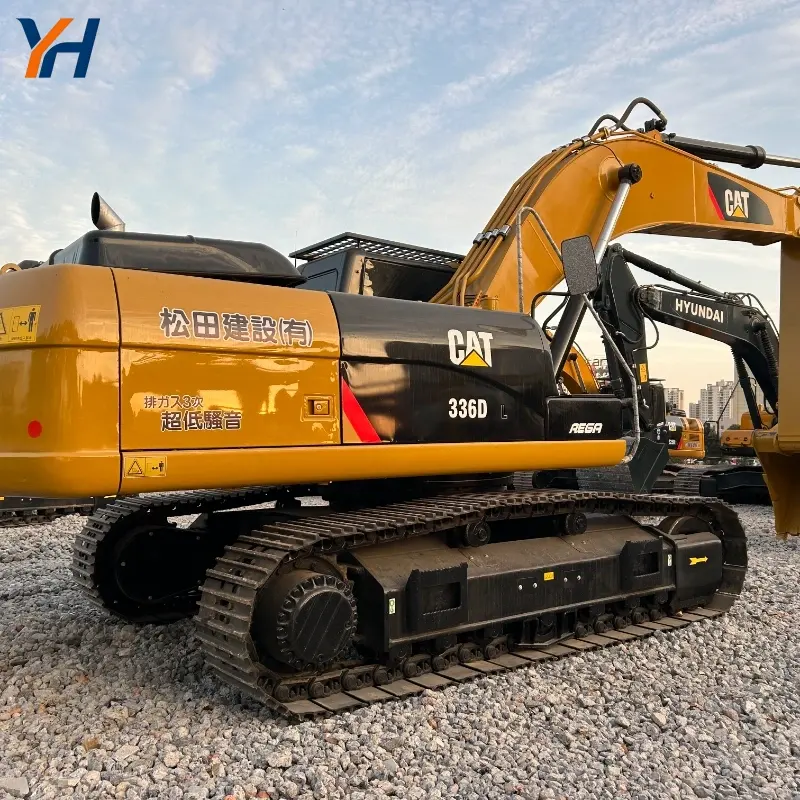
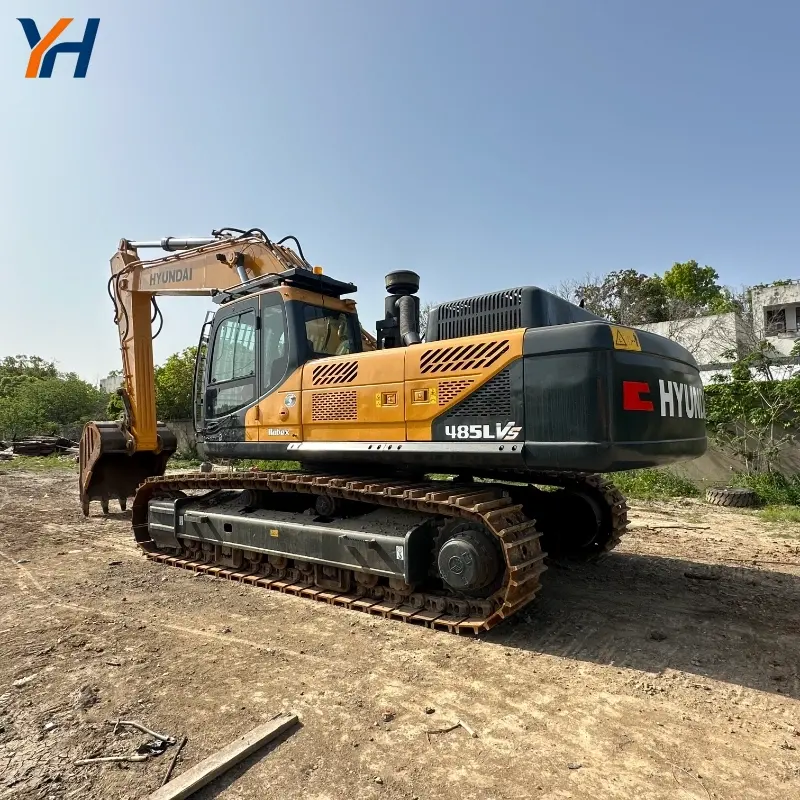
Can a 40-Ton Used Excavator Be Transported Easily? Key Logistics Factors Buyers Should Consider
Release time: 2026-10-03
Table of Contents
Buying a large used excavator is only part of the process. Once the machine is selected, buyers also need to think about how it will move from the supplier’s yard to the job site or overseas destination. This becomes especially important with a 40-ton machine, where weight, dimensions, loading, road access, and shipping arrangements can all affect the final logistics cost. A Used CAT 340 excavator, for example, is a substantial piece of construction equipment that requires more planning than a compact excavator. Before confirming a purchase, it is worth discussing transportation requirements with the supplier. A clear plan can help avoid unexpected handling charges, delays, or problems at the port. For international buyers, transportation should be viewed as part of the equipment purchasing process rather than something to arrange at the very last minute.
Understanding the Size and Weight of a 40-Ton Excavator
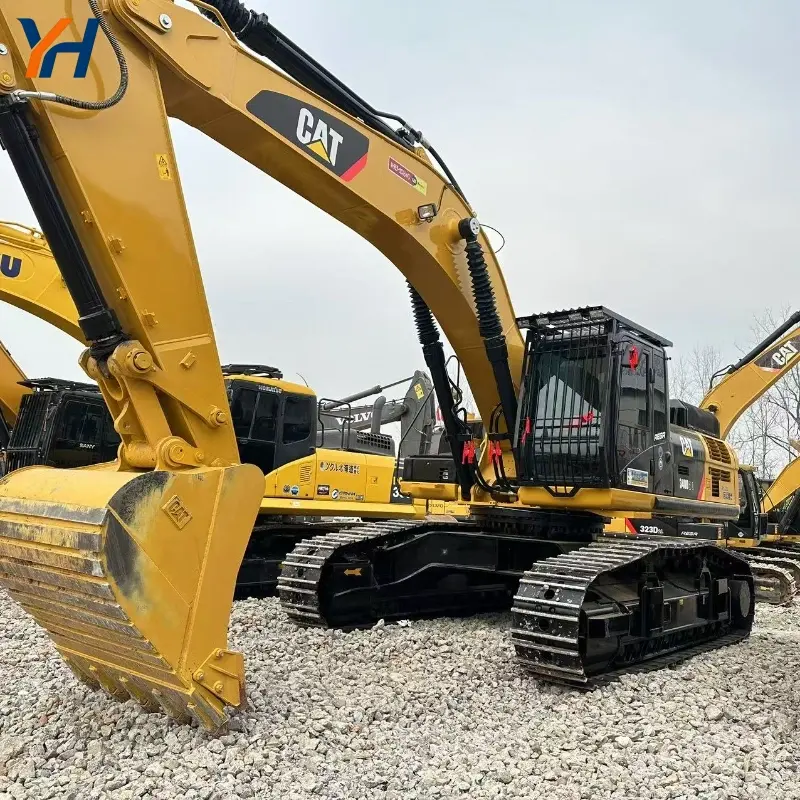
The first step in planning transportation is understanding the actual size and configuration of the machine. A used 40 ton excavator is not simply a heavier version of a standard construction excavator. Its overall dimensions, operating weight, boom and arm configuration, bucket size, and other attachments can all affect how it needs to be transported. Before arranging a truck or shipping service, buyers should confirm the machine’s basic transport information with the supplier. It is also useful to know whether the bucket or other components will be removed before loading. These details can change the required trailer, loading method, and available shipping options. For a large machine such as the CAT 340D2, having accurate equipment information from the beginning makes it much easier to communicate with freight forwarders, trucking companies, and port operators.
Preparing the Excavator Before Road Transportation
For many international purchases, the machine first needs to travel by road from the supplier’s yard to a suitable port. Lowboy or low-bed trailers are commonly used for large construction equipment because they can accommodate heavy machinery while keeping the overall transport height manageable. Before loading, the excavator should be prepared according to the agreed transportation plan. Depending on the route and carrier requirements, attachments may need to be positioned or removed, and the machine should be secured properly for the journey.
Road access also matters. A large excavator leaving a machinery yard may need a suitable route to reach the port without encountering restrictions related to vehicle dimensions or road conditions. The loading location, destination port, and available transport equipment should therefore be confirmed in advance. Working with a supplier that understands equipment loading and export preparation can make this stage much smoother.
Choosing the Right International Shipping Method
Once the excavator reaches the port, the next stage is international transportation. For overseas buyers, used excavator transportation can involve several connected steps rather than a single shipping service. The machine may need to be delivered from the supplier’s yard to the departure port, handled at the port, loaded for ocean transport, and then collected at the destination port.
The best arrangement depends on the destination, available shipping routes, machine dimensions, and the buyer’s delivery requirements. Some buyers may work with a freight forwarder, while others prefer the machinery supplier to coordinate the export process. In either case, communication between the equipment supplier and logistics provider is important. Accurate machine details should be provided before booking so that the carrier can confirm whether the selected transportation arrangement is suitable.
What Can Affect Large Excavator Shipping Costs?
Transportation costs for a large excavator are influenced by more than distance. The machine’s weight and dimensions can affect the type of trailer and handling equipment required. The distance between the supplier and departure port can also change the inland transportation cost. For international shipments, buyers may additionally need to consider port handling, ocean freight, destination charges, and transportation from the arrival port to the final job site.
Attachments and machine configuration can also influence the logistics plan. Because of these variables, it is difficult to use one standard shipping price for every 40-ton excavator. A better approach is to request a transportation quotation based on the actual machine, departure location, destination, and shipping requirements.
| Transportation Factor | Why It Matters |
| Machine weight and dimensions | Determines suitable trailers, loading equipment, and shipping arrangements |
| Inland transport distance | Affects the cost of moving the excavator from the supplier to the port |
| Attachments | May influence loading requirements and available transport space |
| Port handling | Loading, unloading, and terminal handling can add to logistics costs |
| Ocean freight | Depends on the destination, shipping route, and available service |
| Final delivery | Moving the machine from the destination port to the buyer’s location adds another cost |
Looking at these factors together gives buyers a more realistic picture of the total logistics budget. Instead of comparing only the initial freight quote, it is better to consider the complete journey from the supplier’s yard to the final destination.
CAT 340D2 as a Real 40-Ton Transport Example
The CAT 340D2 is a useful example of why transportation planning matters when purchasing large used equipment. The machine available from Yiheng is a 2023 model with 460 working hours, a 40-ton operating class, a Cat C13 ACERT engine, 209 kW of power, and a 2 m³ bucket.
For a machine of this size, buyers should confirm the transport dimensions, loading requirements, attachment configuration, and destination port before shipment. The purchase price alone does not tell the full story of getting the excavator to the final job site. By discussing transportation before the order is finalized, buyers can better understand what equipment and logistics services will be required.
This is particularly useful for international purchases, where the machine may pass through several stages before reaching the customer. Clear information at the beginning helps the supplier, freight forwarder, trucking company, and port operator coordinate their work more efficiently.
Why Supplier Logistics Support Matters
A used excavator supplier can play an important role in making the transportation process easier. The supplier already has access to the machine’s specifications, condition information, loading location, and export documentation, so they can provide the logistics company with accurate equipment details. For international buyers, this can reduce unnecessary communication between several different parties.
Yiheng Machinery supplies used construction equipment from China and serves customers in overseas markets. When purchasing a large machine such as the CAT 340D2, buyers can discuss not only the equipment itself but also loading, inland transportation, port delivery, and export arrangements. This type of coordination can be particularly useful when the buyer is purchasing heavy equipment internationally for the first time.
Good transportation planning does not eliminate every logistics challenge, but it can make the process more predictable. More importantly, it allows buyers to consider equipment cost and transportation cost together instead of discovering additional expenses after the purchase has already been confirmed.
Plan Transportation Before Confirming the Purchase
A 40-ton used excavator can be transported internationally, but the process should be planned around the machine rather than treated as an afterthought. Weight, dimensions, attachments, loading requirements, road transportation, port handling, and ocean shipping can all influence the final delivery arrangement.
Before confirming a purchase, buyers should ask for complete machine information and discuss transportation requirements with the supplier. For a CAT 340D2, this approach is especially practical because the machine’s size makes logistics an important part of the overall buying process. Considering transportation at the same time as equipment price and condition gives buyers a clearer idea of their total budget and helps reduce unexpected problems during delivery.
For buyers sourcing large used excavators from China, Yiheng can support the equipment purchasing and export process according to the machine and destination requirements. With the right transportation plan in place, purchasing a large used excavator becomes easier to manage from the supplier’s yard to the final job site.
FAQ
Can a 40-ton used excavator be shipped overseas?
Yes. Large used excavators can be transported internationally when their dimensions, weight, loading requirements, and shipping route are properly planned.
What affects the transportation cost of a used excavator?
Machine weight, dimensions, transport distance, port handling, ocean freight, destination, and unloading requirements can all affect the final transportation cost.
Does a CAT 340D2 require special transportation planning?
Because it is a large 40-ton-class excavator, buyers should confirm its transport dimensions, loading method, attachments, and shipping arrangements before transportation.
Should transportation be arranged before buying a used excavator?
Yes. Discussing transportation before purchase helps buyers understand the expected logistics cost and delivery process before committing to the machine.